ON THIS PAGE
LEARN MORE & GET INVOLVED
- Legislative Action >
- Rising Through the Ranks >
- Special Offers >
- 7 Little-Known Facts about Toys for Tots >
- Memory Chip Vs. Traditional Hard Drive >
- The Sweet Side of Military Rations >
- Eligibility for PenFed Financial Offers >
- Understanding BAS as One Part of Military Pay >
- A Safer Checklist Before Borrowing Against Home Equity >
- A Starting Map for Military Survivor Benefits >
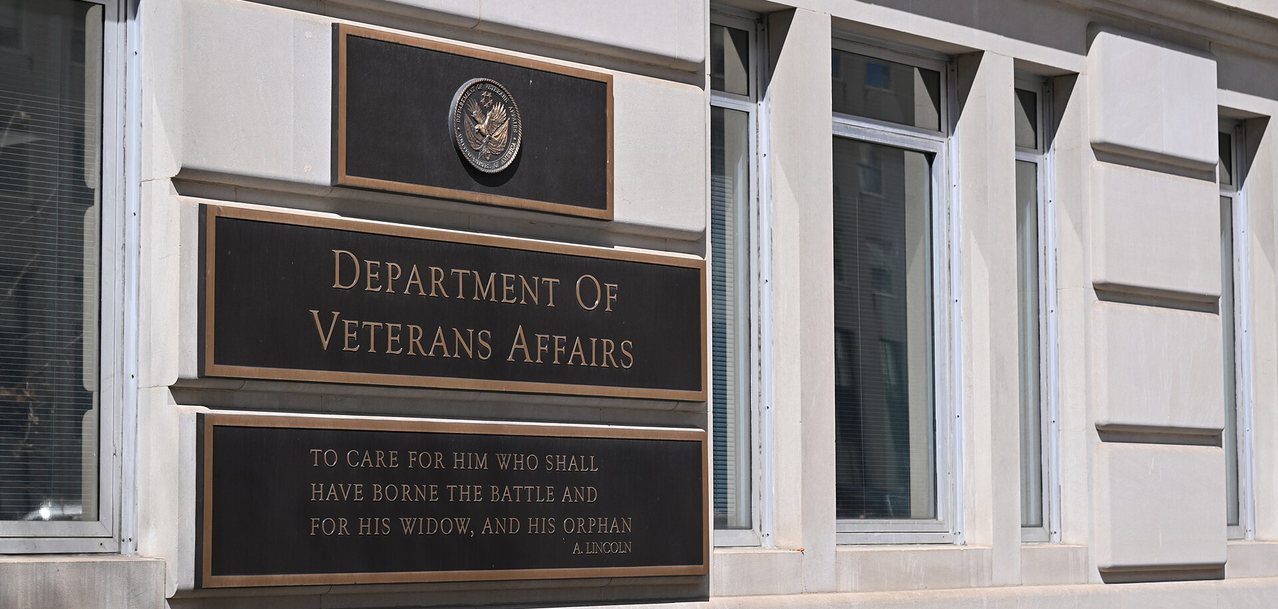
Where surviving spouses can start with military benefits
Military surviving spouse benefits come from different programs, agencies, and eligibility rules. That can make the first steps difficult, especially when a family is also handling immediate personal and administrative responsibilities after a death. We encourage surviving spouses to begin with official contacts, identify which benefit they are asking about, and avoid assuming that eligibility for one survivor program automatically creates eligibility for another. Voices supports families through advocacy and education, but we do not process claims.
Start with an official point of contact
For an active-duty death, a casualty assistance officer or service-branch survivor resources can help explain immediate procedures and benefits.
For Department of Veterans Affairs benefits, VA is the authoritative source for eligibility and applications. DFAS handles military retired-pay survivor programs such as the Survivor Benefit Plan.
The right contact depends on the service member’s status and benefit involved.
If a family is unsure where to begin, collect basic service information and ask the official agency which office owns the question. Private websites should not replace current VA, DFAS, or service-branch instructions.
Know which benefit you are asking about
Several survivor programs are often discussed together even though they are different.
Dependency and Indemnity Compensation, or DIC, is a tax-free VA monetary benefit for eligible surviving spouses, children, or parents when qualifying service and death conditions are met.
The Survivor Benefit Plan, or SBP, is a Department of Defense annuity program administered through DFAS. It can provide monthly payments to eligible beneficiaries based on the military member’s coverage and status.
VA Survivors Pension is a separate needs-based benefit for certain surviving spouses and unmarried dependent children of qualifying wartime veterans.
Education and health-related survivor resources may also apply under separate rules.
The program name matters. Do not use “survivor benefits” as if it were one application.
Gather documents without assuming one universal checklist
Agencies may request documents establishing identity, relationship, service, and circumstances relevant to a claim.
Common records can include:
- a death certificate;
- marriage documentation;
- dependent information;
- military service records;
- prior benefit or retirement documents;
- identification and payment information.
The exact list varies by program and case.
Keep copies of what is submitted and note dates, confirmation numbers, and the office contacted. If a document is missing, ask the agency what substitute evidence or retrieval process applies rather than assuming the claim cannot move forward.
Ask eligibility questions before assuming the answer
Eligibility can depend on service status, cause of death, marriage history, SBP elections, dependents, and program-specific remarriage rules.
For DIC, VA applies statutory eligibility requirements tied to the service member or veteran and the survivor’s relationship.
For SBP, DFAS applies the member’s coverage election and survivor rules. DFAS also confirms that the former SBP-DIC offset was fully eliminated beginning in 2023, so eligible surviving spouses can receive full SBP and full DIC payments concurrently.
That change shows why old benefit articles can mislead families even when once accurate.
Check current rules before relying on an archived explanation.
Keep DIC and SBP separate
DIC and SBP may both result in monthly payments, but they come from different systems.
VA determines DIC eligibility. DFAS administers SBP annuities.
A spouse can have questions for both agencies at the same time, and the application steps are not interchangeable.
The DFAS explanation of SBP and DIC is useful for understanding how the programs interact today.
The VA DIC resource is the place to review current DIC eligibility and application guidance.
When a family receives correspondence from both agencies, keep each notice with the matching program records.
How Voices supports surviving families through advocacy
Our broader mission includes advocating for fair protections and benefits for wounded warriors, retired disabled veterans, their families, and surviving spouses.
That advocacy role is different from claims administration. We do not decide DIC eligibility, start an SBP annuity, or determine pension entitlement.
We can help members stay aware of military-benefit policy and legislative changes while directing program-specific questions to the responsible agency.
For military surviving spouse benefits, the most useful first map is often simple: identify the program, contact the official agency, gather the records it requests, and verify current rules before acting on old information. Surviving families deserve clear navigation without promises that a benefit applies before the facts and program requirements are reviewed.